


Forestry England FIAS programme at the Forest of Dean
Forestry England manages much of England’s forests, and has responsibility for a large proportion of England’s mountain bike trails. The organisation used the FIAS Framework to develop a programme that would foster an inclusive culture in their regional hubs and tackle baked-in gender inequality. The project started with a pilot programme implemented at their flagship cycle centre in the Forest of Dean, England. Through a series of co-creation workshops, the FIAS Framework helped local land managers and recreation managers consider where women+ were being supported and felt included, where gender inequality had become normalised, and where change was feasible and could have the biggest impact. Project leads identified their key stakeholders who could help the project gain traction. They devised an ambitious yet feasible plan of action, ensuring that all areas of the Framework were included. The main areas of the programme are as follows:
1. The programme built opportunities for women+ to become leaders in local mountain biking, through:
- Funded training for women+ ride leaders and coaches, in collaboration with women tutors from a local company. This training was in women+-only groups with a woman tutor.
- Supporting women+ to run their own group rides, building links between existing groups and providing support for new informal communities setting up in the forest.
- Creating pathways into leadership and community roles by signposting and promoting opportunities, particularly through a new steering group of women+ set up to guide the project.
2. The programme created new opportunities for women+ to ride, form social connections and for men to see women+ as central to local mountain biking culture, through:
- A women+’s take over day, offering free women+-only group rides and subsidised coaching and uplift, run in collaboration with corporate sponsors.
- Women+-only coaching sessions to encourage women+’s participation in racing.
- A women+-only enduro promoted at the centre in collaboration with an industry partner.
3. The programme focused on boosting the visibility of women+ mountain bikers, through:
- A social media campaign showcasing women+ riders, leaders and volunteers in the forest.
- Partnerships with influencers and brands to showcase women+-led and women+-specific events to wide audiences.
- Support for women+ to create and share their own content through dedicated campaigns.
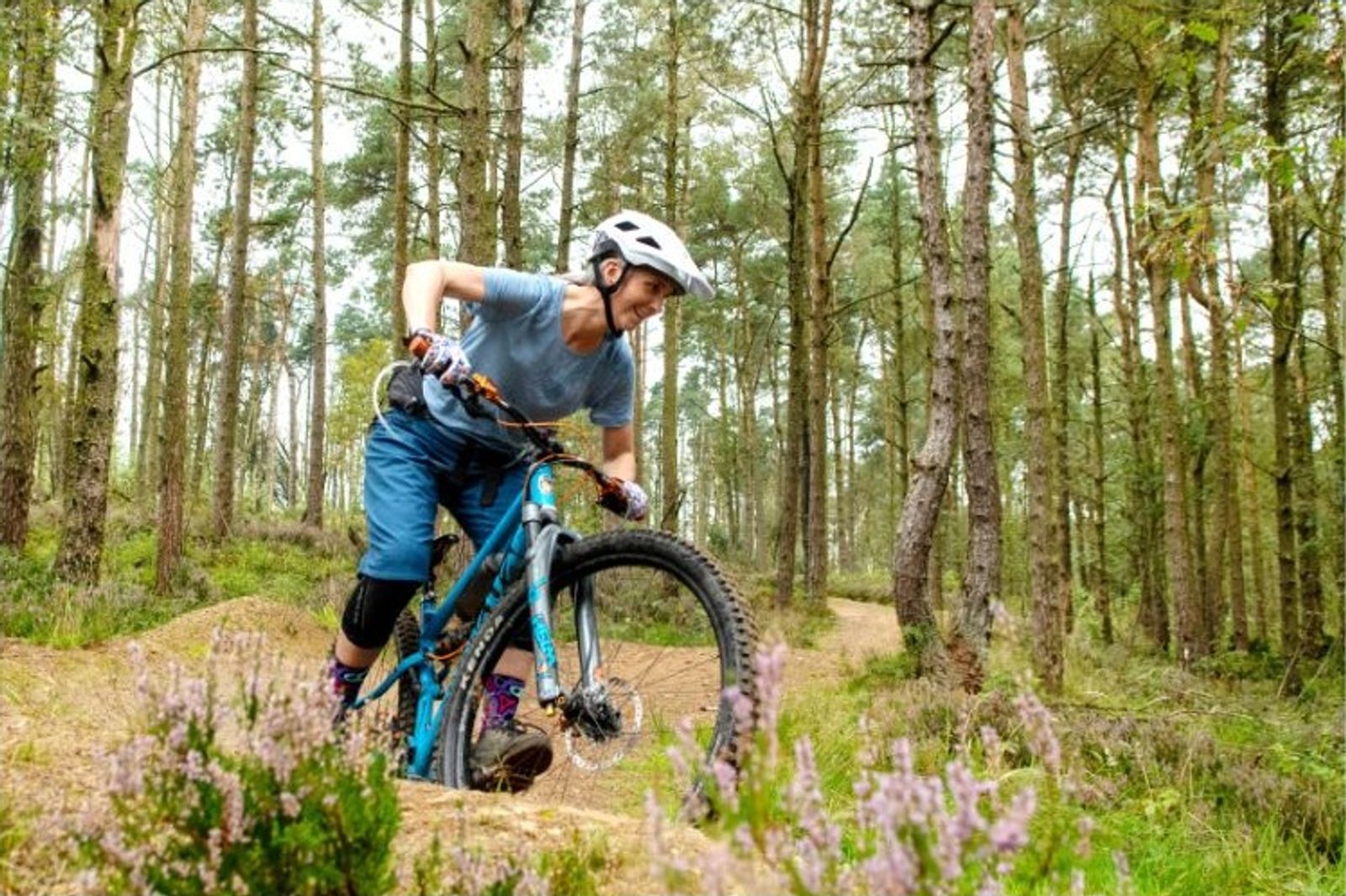
4. The programme showcased the FIAS Inclusive Event Guidelines
The Forest of Dean is a popular venue for gravity mountain bikes and gravel racing. The land management team incorporated the FIAS Inclusive Event Guidelines into their local processes to steer event organisers to foreground gender inclusion as part of their everyday practice.
The Forest of Dean FIAS project was supported by a steering group of women+ that was set up to build connections among local businesses, riders, land managers, trail builders, and community organisations. The group meets regularly to ideate, problem-solve and build connections between existing and future initiatives. The steering group triggers major projects, such as the takeover day, and smaller actions like sequencing women+’s beginner rides with the children’s bike club, so mothers have time available.
As a result of the FIAS project, the local Forestry England land management team reports more women+ taking part in rides and events, increased visibility of women+ across the site and in the local media, and growth in women+ ride leaders and women+-led rides. There is also more support from corporate partners and sponsors, who recognise the strong communities of women+ gravitating towards the site and the corporate opportunities this offers.
Key learning from the Forest of Dean pilot:
- Visibility matters: Who people see shapes who feels welcome.
- Leadership is key: Supporting women+ into leadership roles is key to driving sustainable change.
- Join things up: Linking activities together creates clear pathways for progression, builds social networks and helps grow women+’s inclusion.
- Work at multiple levels: Combine events, training, partnerships, and communications for a strategic approach.
- Use your influence: Gathering evidence and designing a reporting plan helps leverage influence with landowners, funders, and wider stakeholders, which can escalate change.